Dětská psychoterapie: Co pomáhá dětem při truchlení, úzkosti a ADHD
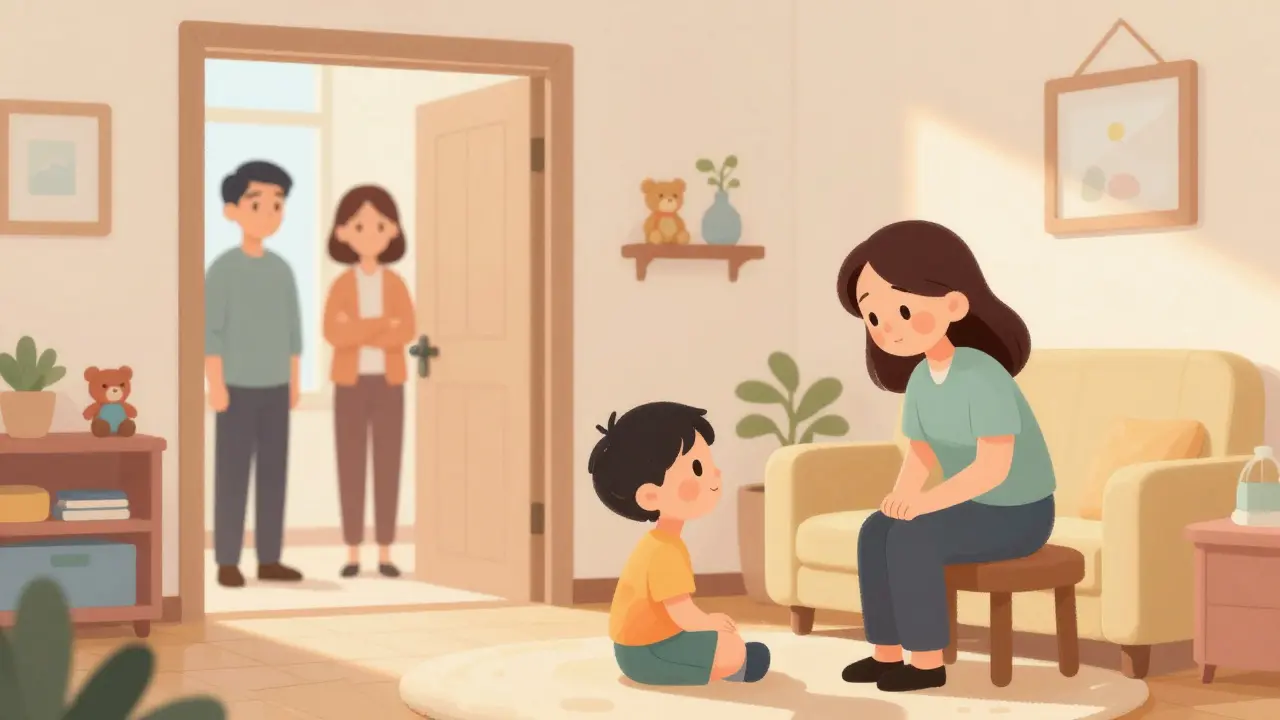
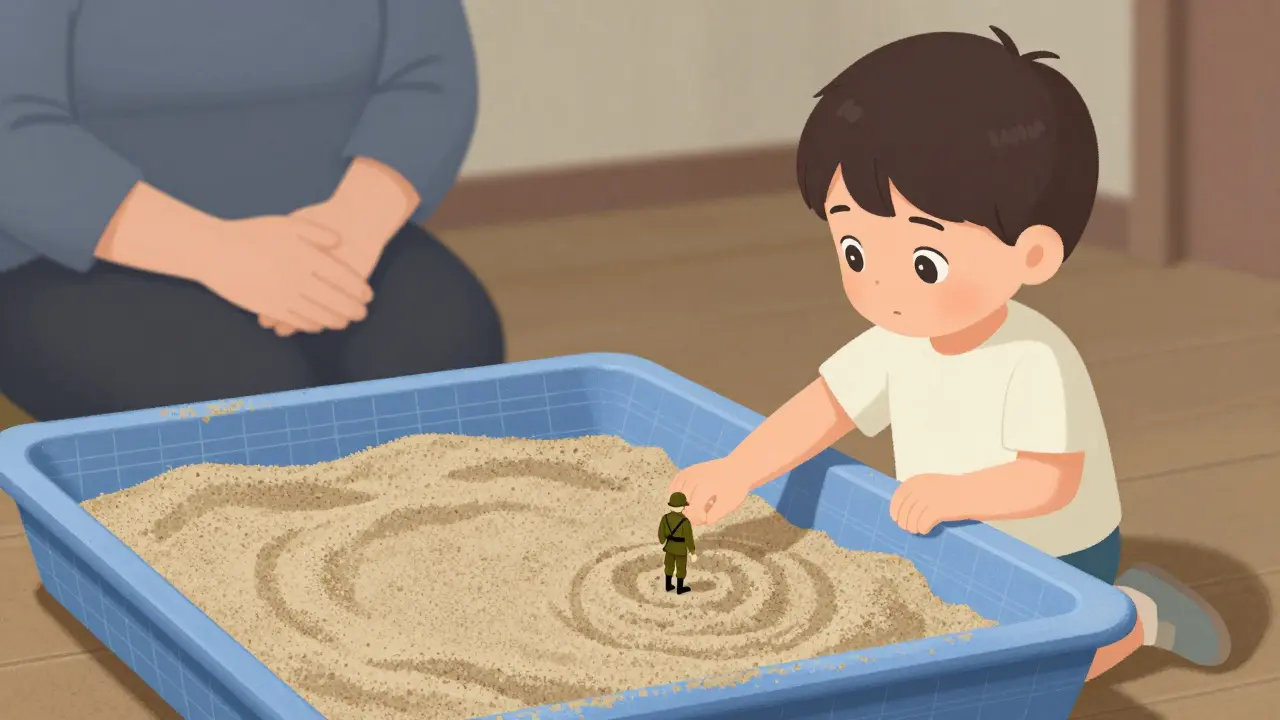
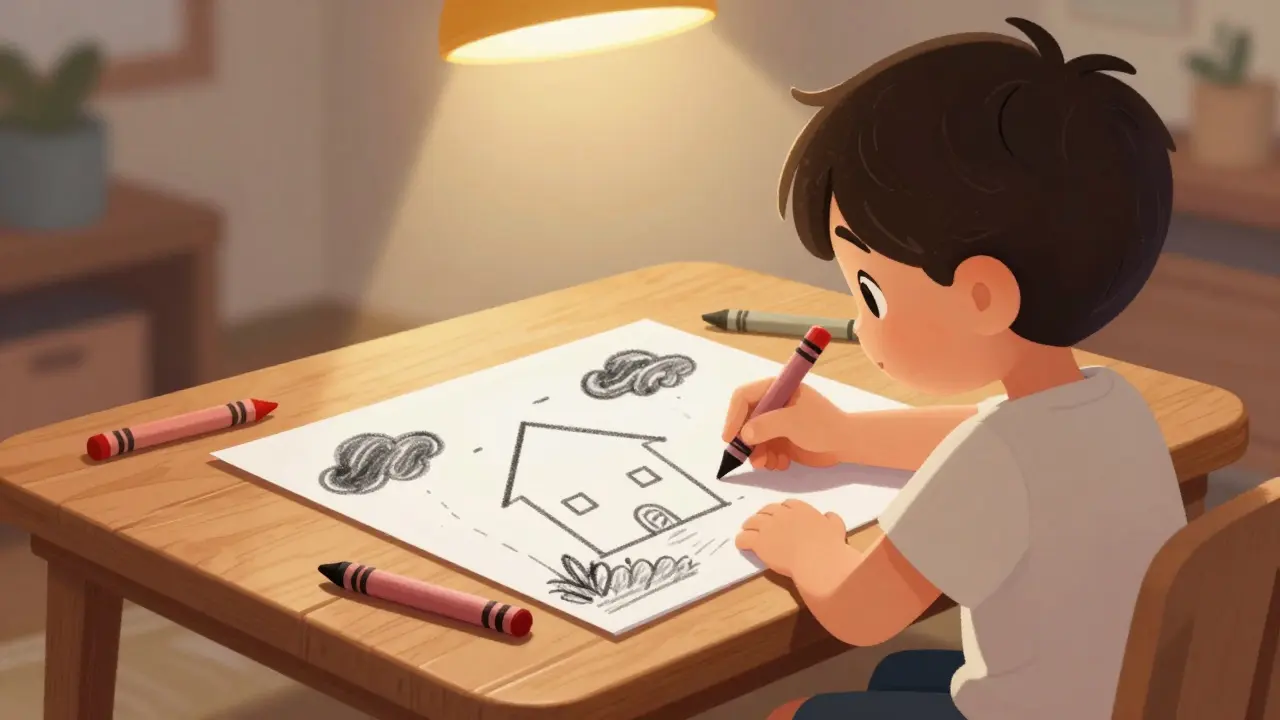
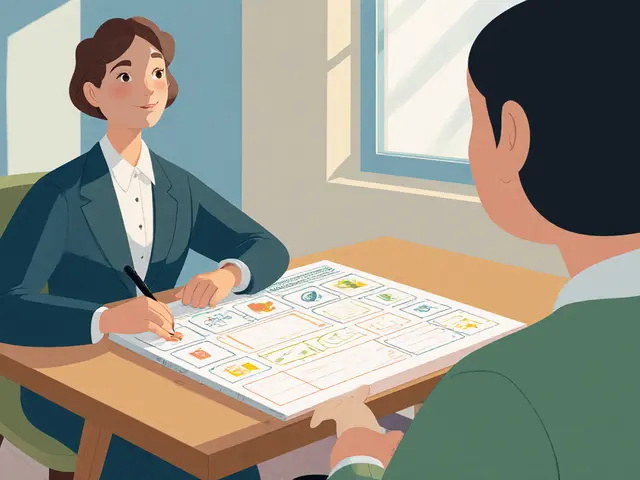
When a child loses someone close, feels overwhelmed by anxiety, or struggles with ADHD, they don’t need to suffer in silence. dětská psychoterapie, specifický přístup k psychologické pomoci dětem, který využívá hru, příběhy a bezpečné vztahy místo jen slov. Also known as psychoterapie dětí, it is not just adult therapy scaled down—it’s a completely different language, built on trust, play, and emotional safety. Unlike adults, children often can’t put their pain into words. They act out, withdraw, or shut down. That’s why dětská psychoterapie uses tools like drawing, role-playing, or storytelling to help them express what they feel inside.
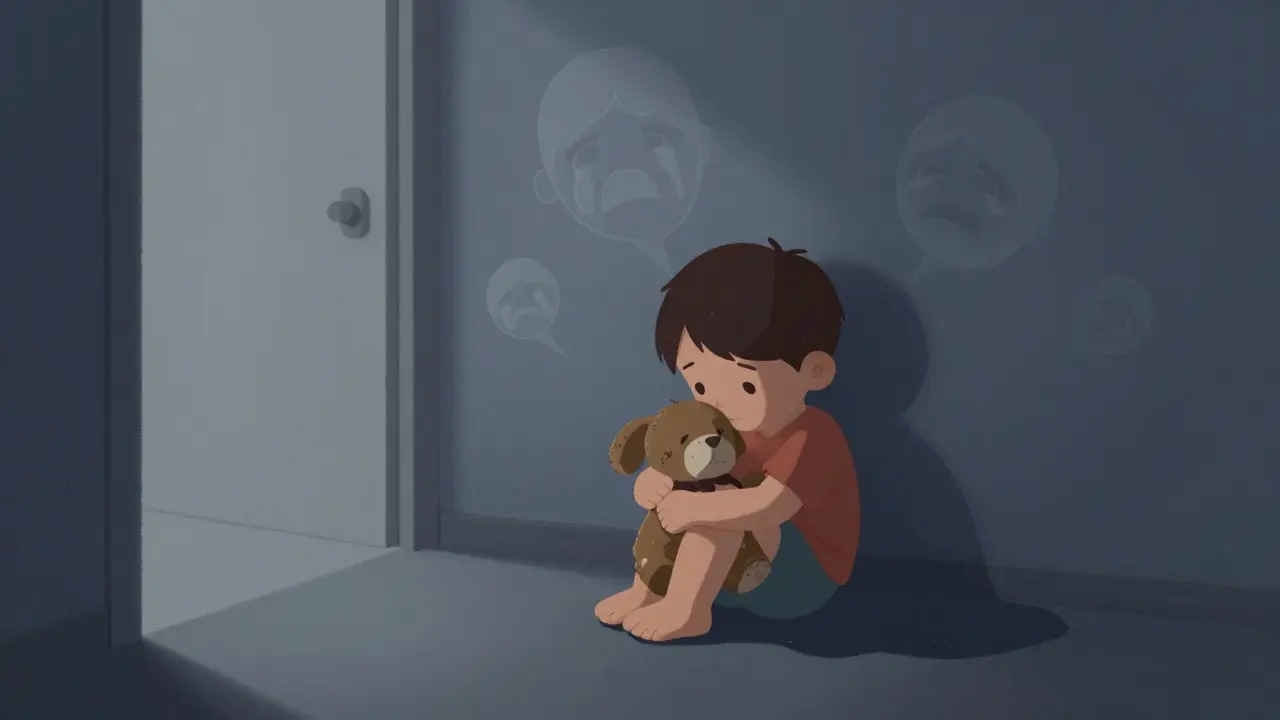
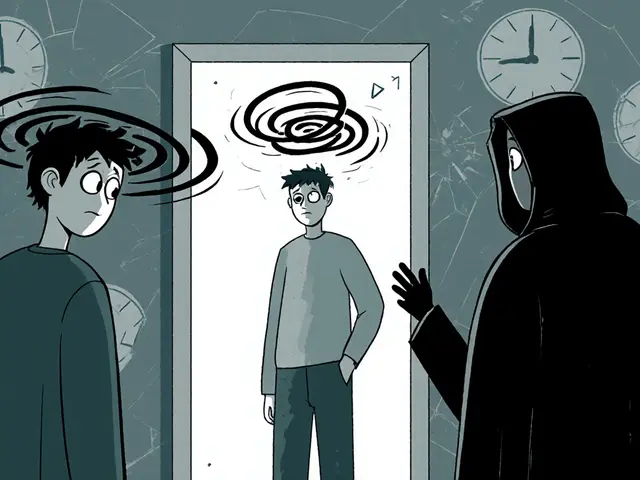
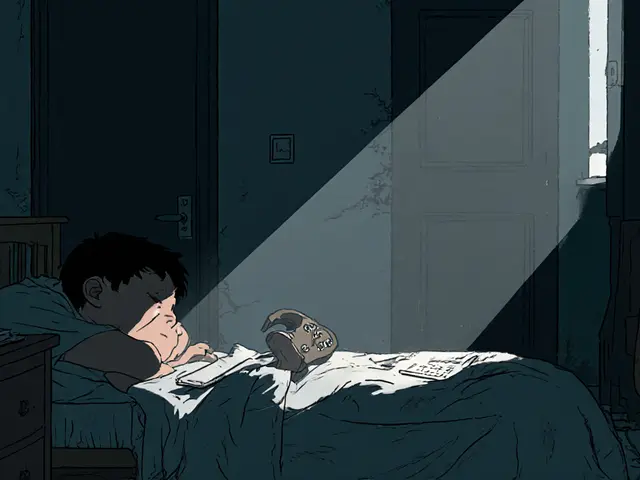
One of the most common reasons parents seek help is after a death in the family. dětské truchlení, přirozená, ale často nesprávně chápáná reakce dítěte na ztrátu blízké osoby. Also known as truchlení u dětí, it doesn’t look like adult grief. A child might laugh during a funeral, then cry for hours two days later. That’s normal. Dětská psychoterapie helps them process this without forcing them to "be strong." Another frequent issue is ADHD u dětí, neurologický rozdíl, který neznamená neposlušnost, ale obtíže s koncentrací, impulzivitou a organizací. Also known as dítě s ADHD, it requires structure, not punishment. Therapy doesn’t "fix" ADHD—it teaches children and their families how to work with it. And when anxiety takes over—when a child refuses school, can’t sleep, or has panic attacks—psychoterapie dospívajících, specializovaná podpora pro teenagery, kteří čelí stresu, deprese nebo identity. Also known as léčba deprese u teenagery, it gives them space to be heard without judgment. These aren’t separate issues. A child with ADHD might develop anxiety. A grieving child might start acting out in school. Good dětská psychoterapie connects the dots.
What works? Play therapy, art, EMDR adapted for children, family sessions, and sometimes even digital tools like apps that help kids track emotions. But the most important thing isn’t the technique—it’s the relationship. A child needs to feel safe, seen, and not judged. That’s what real healing starts with.
In the articles below, you’ll find real stories, practical advice, and proven methods—from how to talk to a child after a death, to what to expect in a therapy session, to how to find a therapist who actually understands kids. No theory. No fluff. Just what helps.