Truchlení u dětí: Jak pomoci dítěti při ztrátě a co terapie nabízí
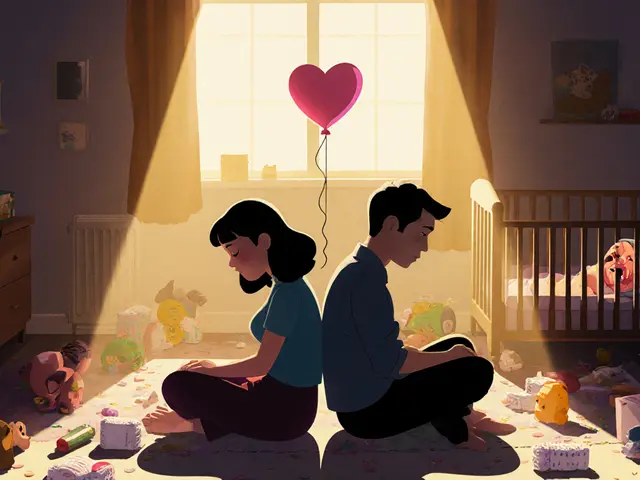
When a child loses someone close, their grief doesn’t look like an adult’s. Truchlení u dětí, proces, kterým dítě zpracovává ztrátu blízké osoby. Also known as dětské truchlení, it often shows up as silence, anger, or sudden changes in school performance—not tears and long conversations. Unlike adults, children don’t grieve in straight lines. They feel it in bursts, then run off to play, then come back with a question no one expected. This isn’t denial—it’s how their brains cope. Many parents think if the child doesn’t cry, they’re fine. But silence doesn’t mean healing. It means they’re waiting for someone to say it’s okay to feel lost.
Ztráta blízkého, včetně smrti rodiče, sourozence nebo příbuzného, který byl důležitou součástí každodenního života hits children differently based on age, relationship, and how the family talks about death. A 5-year-old might think death is like a video game—someone can come back if you press restart. A 10-year-old knows it’s final but blames themselves. Teens might shut down completely or act out aggressively. Psychoterapie dětí, specifický přístup, který využívá hru, kreslení, příběhy a pohyb místo jen hovoru isn’t about fixing sadness. It’s about giving them tools to understand what happened, to feel safe expressing it, and to know they’re not alone in their confusion.
What works? Play therapy helps little ones express what they can’t say. Art lets them draw the feelings they can’t name. Family sessions rebuild communication so the child doesn’t feel like they have to be "strong" for everyone else. And yes—grief can show up months later, during a birthday, a school play, or when they smell their mom’s perfume. That’s normal. The goal isn’t to make them forget. It’s to help them carry the memory without being crushed by it.
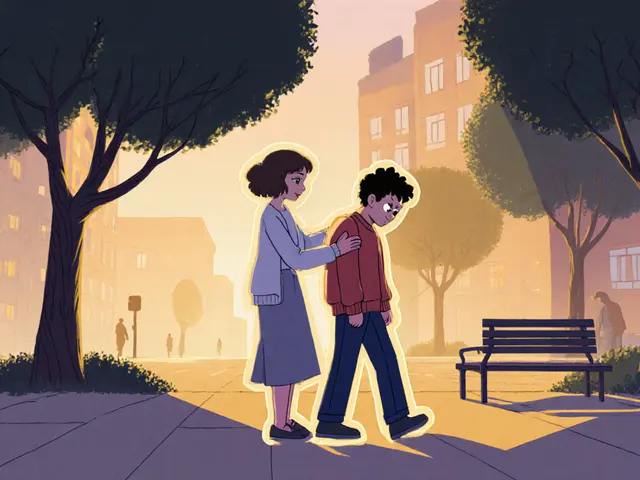
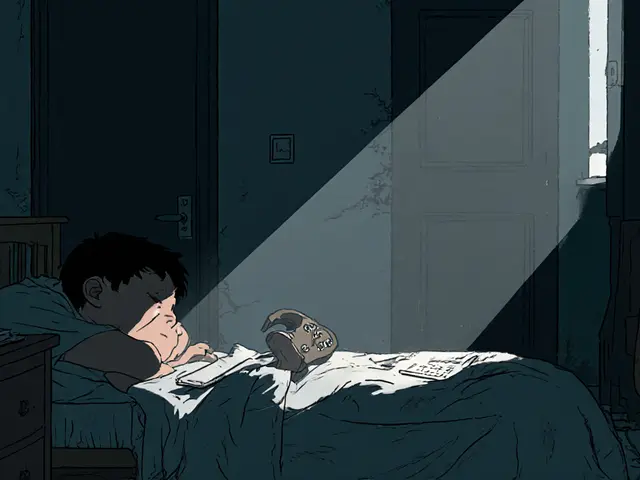
Many parents don’t know where to turn. They worry saying "I miss them too" will make things worse. But honesty, even when it’s messy, is what children need. You don’t need to have all the answers. You just need to be there—quietly, consistently, without rushing them. And if the grief turns into withdrawal, school refusal, or constant nightmares, that’s when professional help isn’t optional—it’s essential.
Below you’ll find real stories, practical advice, and proven methods from therapists who work with grieving children every day. From how to explain death to a toddler, to what to say when they ask if grandma is in heaven, to how schools can help—this collection gives you what you actually need, not what sounds nice on paper.