Ztráta blízké osoby: Jak přežít smrt a najít cestu zpět k životu
When you lose someone close, your world doesn’t just change—it shatters. ztráta blízké osoby, prožívání smrti někoho, kdo vás tvořil, podporoval nebo vás jednoduše měl rád. Also known as žal, it is not just sadness—it’s a rewiring of your entire emotional landscape. This isn’t something you get over. It’s something you learn to carry.
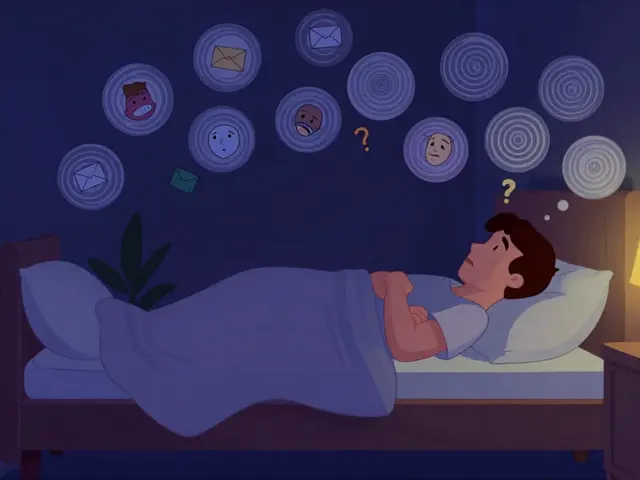
Many people think grief should follow a timeline—two weeks, two months, a year. But grief doesn’t work like that. It shows up when you smell their perfume, hear their favorite song, or see a chair they used to sit in. žal, přirozená reakce na ztrátu, která může zahrnovat úzkost, vztek, numbertu i pocit viny. It’s not a disorder. But when it paralyzes you for months, when you can’t eat, sleep, or function, that’s when krizová intervence, okamžitá psychologická pomoc pro ty, kteří přežívají akutní psychickou krizi po smrti. becomes essential. And when grief turns into depression, when the pain doesn’t fade but deepens—psychoterapie, strukturovaná podpora, která pomáhá zpracovávat ztrátu bez toho, aby vás pohltila. is the most effective path forward.
You don’t need to be strong. You need to be heard. The people who help you don’t fix your grief—they sit with you in it. They don’t tell you to move on. They help you learn how to live with the absence. And yes, that’s possible. Not because time heals all wounds, but because you slowly learn how to carry them differently. In the posts below, you’ll find real guidance: how to recognize when grief becomes dangerous, where to find immediate help, how therapy helps when words fail, and what to do when even your closest friends don’t understand.