Negativní zkušenosti s terapií: Co dělat, když terapie nepomohla
When you go to therapy hoping for change, but leave feeling more lost than before, it’s not you—it’s often the negativní zkušenosti s terapií, zážitky, kdy terapie nepřináší úlevu, ale spíše zhoršuje pocit bezmoci a nevěry. Also known as selhání terapeutického procesu, it happens more often than therapists admit, and it’s not always because you weren’t trying hard enough. Many people think therapy is a guaranteed fix, but the truth is, it’s a relationship—and like any relationship, it can go wrong.
One of the biggest reasons therapy backfires is the terapeutický vztah, základní spojení mezi klientem a terapeutem, které určuje, zda se něco změní. Also known as terapeutická aliance, it’s not about fancy techniques—it’s about feeling heard, safe, and respected. If your therapist interrupts you, judges your feelings, pushes their own agenda, or makes you feel like a problem to be fixed, you’re not getting therapy—you’re getting performance review. And that’s not healing.
Another common problem? dobrý terapeut, osoba, která nejen má titul, ale i schopnost být přítomná, empatičtější a nezávislá na svých vlastních předsudcích. Also known as etický terapeut, they don’t sell you quick fixes or pretend to have all the answers. They ask questions. They sit with your silence. They don’t tell you what to feel—they help you understand why you feel it. Too many therapists skip this part and jump straight into exercises, homework, or advice. That’s not therapy. That’s coaching with a psychology degree.
And then there’s the silence around etika psychoterapie, soubor pravidel, která chrání klienta před zneužitím, manipulací nebo nekompetentním jednáním. Also known as kódex psychoterapeuta, it’s not just about confidentiality—it’s about boundaries, informed consent, and the right to say no. If a therapist pressures you into long-term treatment, shares too much about themselves, or makes you feel guilty for wanting to quit, they’re breaking the rules. And you have every right to walk out.
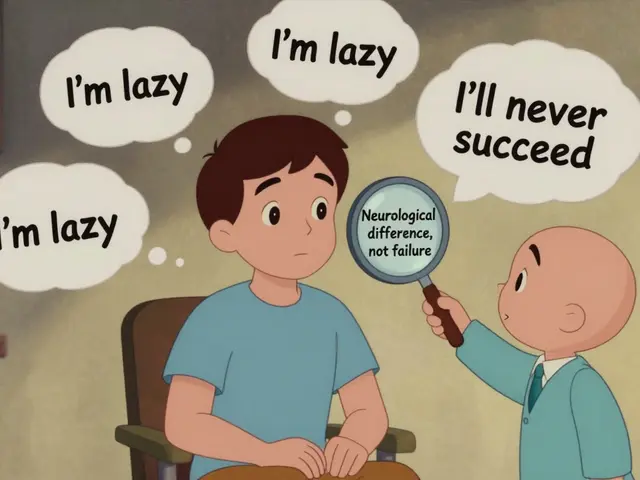
These aren’t rare cases. They’re the hidden side of mental health care. People don’t talk about bad therapy because they feel ashamed—like they failed. But failing a therapist doesn’t mean you’re broken. It means you deserved better. And you still do.
In this collection, you’ll find real stories and practical tools from people who’ve been there. From how to spot red flags before your first session, to what to do when you feel trapped in a cycle of empty conversations, to how to find someone who actually listens. You’ll learn why some techniques work for others but not for you—and why that’s okay. You’ll see how psychoeducation, boundaries, and even the right question can turn a broken experience into a path forward.